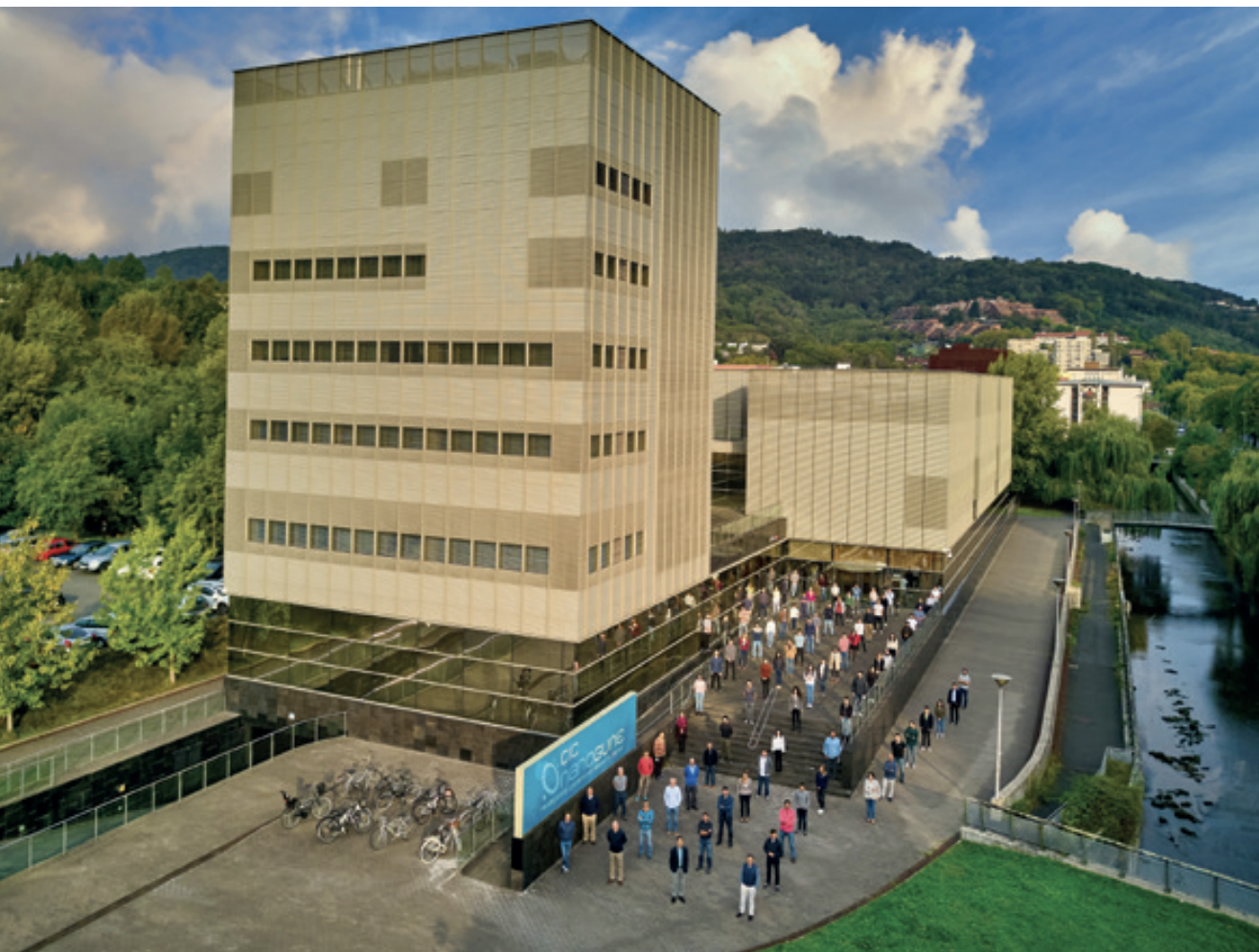
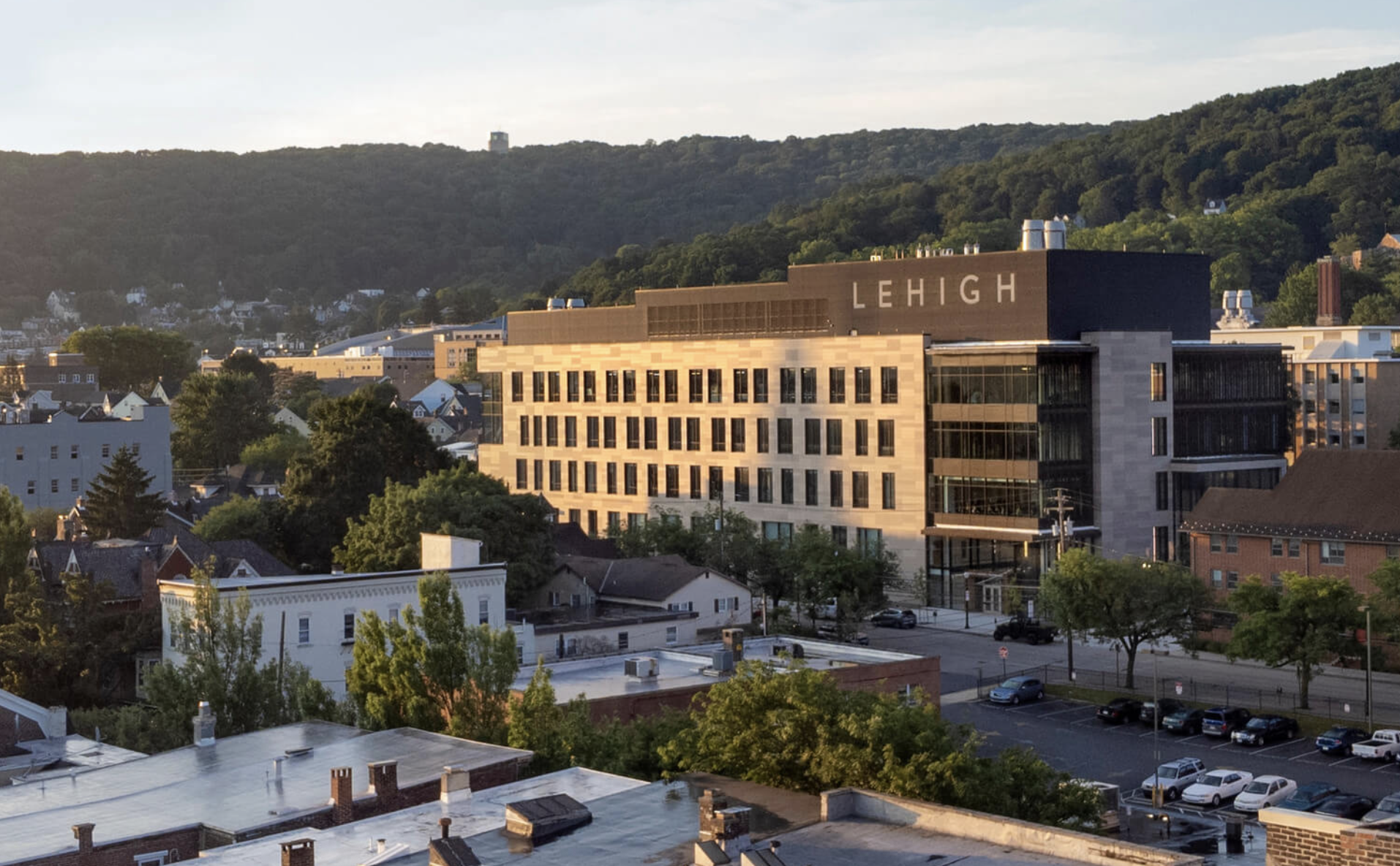
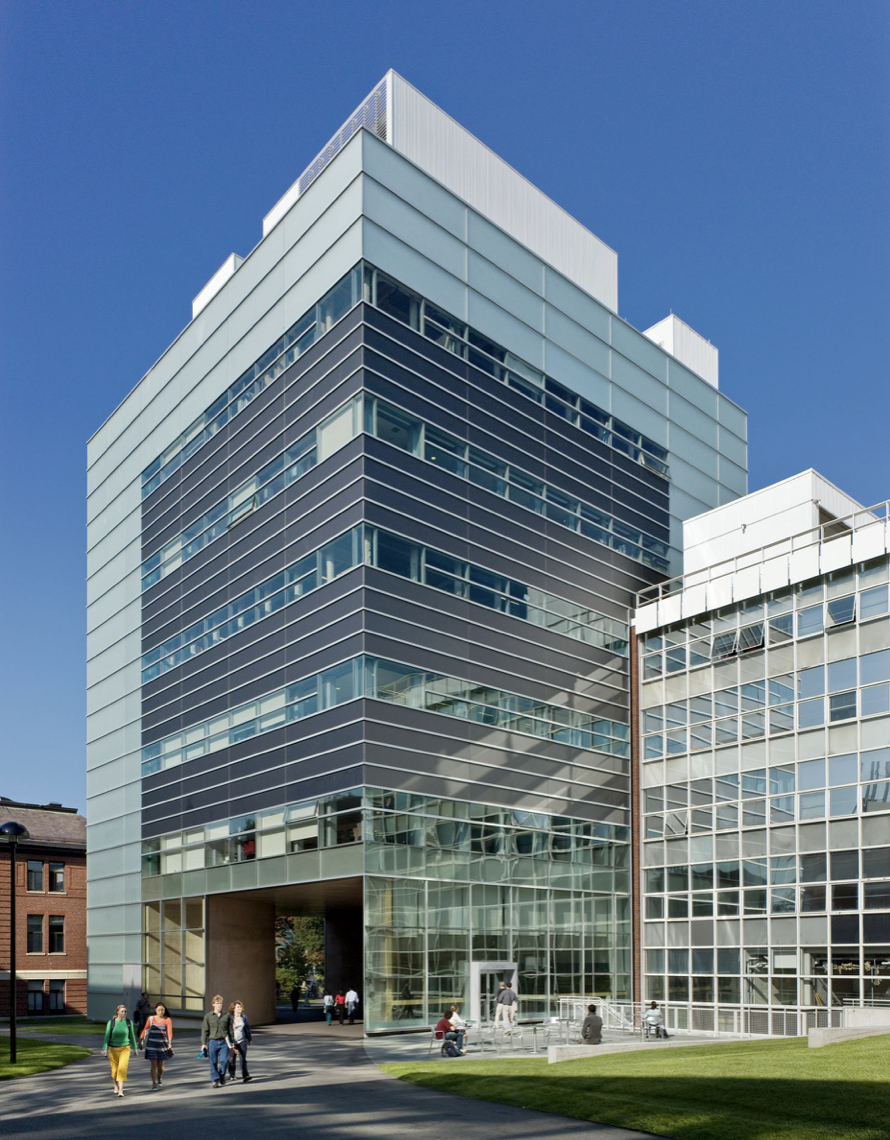
Buildings that require high resolution are planned, designed, built and operated differently than regular lab buildings. It’s a different building type. The overall site, the building, and its engineering systems are carefully optimized to reduce energy sources. Any form of energy – vibration, electrical , magnetic, air flow, and changes in air temperature and humidity – all can disrupt nano processes.
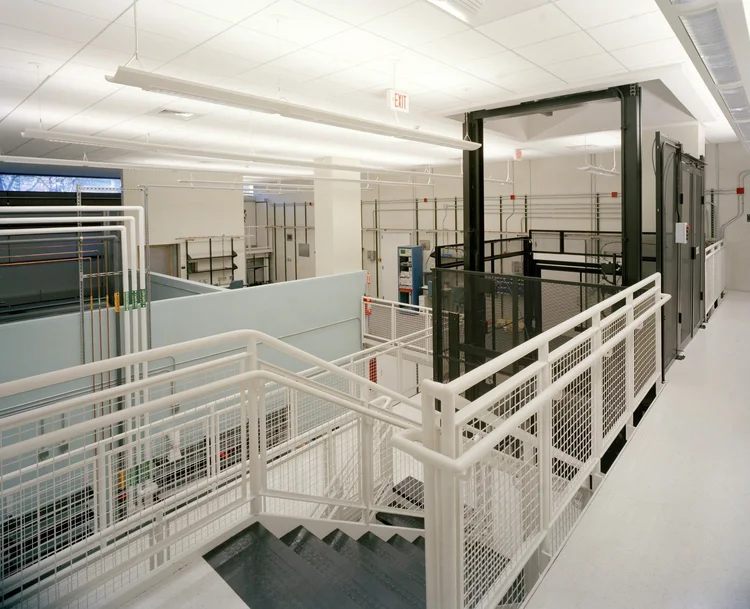
Tight criteria are set by the tools and the processes. Our scope includes regular dry damp and wet research labs, special high performance research labs, clean rooms and imaging facilities.
Centrally managed research cleanrooms use HEPA filtration to reduce particle counts; they also use adjacent metrology and packaging areas. Imaging suites use high bay, quiet spaces with adjacent noisy pump corridors. High bay individual research work uses tools such as Low temperature Scanning and Tunneling Microscopes LTSTM.
Nano research labs can use large amounts of cryogenics. They also include dilution fridge labs, MBE labs, and cryo/optics labs. Labs may have tight temperature controls that require a dedicated air handling unit.
Nanotech buildings are carefully operated to keep tools from interfering with each other, and to keep the engineering systems from generating noise.
From initial site planning , and building concept, to specific neighborhoods, and then to detailed fit-out and tool hook-up, nano projects are a special design and construction discipline requiring close communication with users, designers and contractors.