UNC Chapel Hill / Chapman Hall
Chapel Hill, North Carolina
UNC Max C. Chapman Jr. Hall: Hub of the Physical Sciences
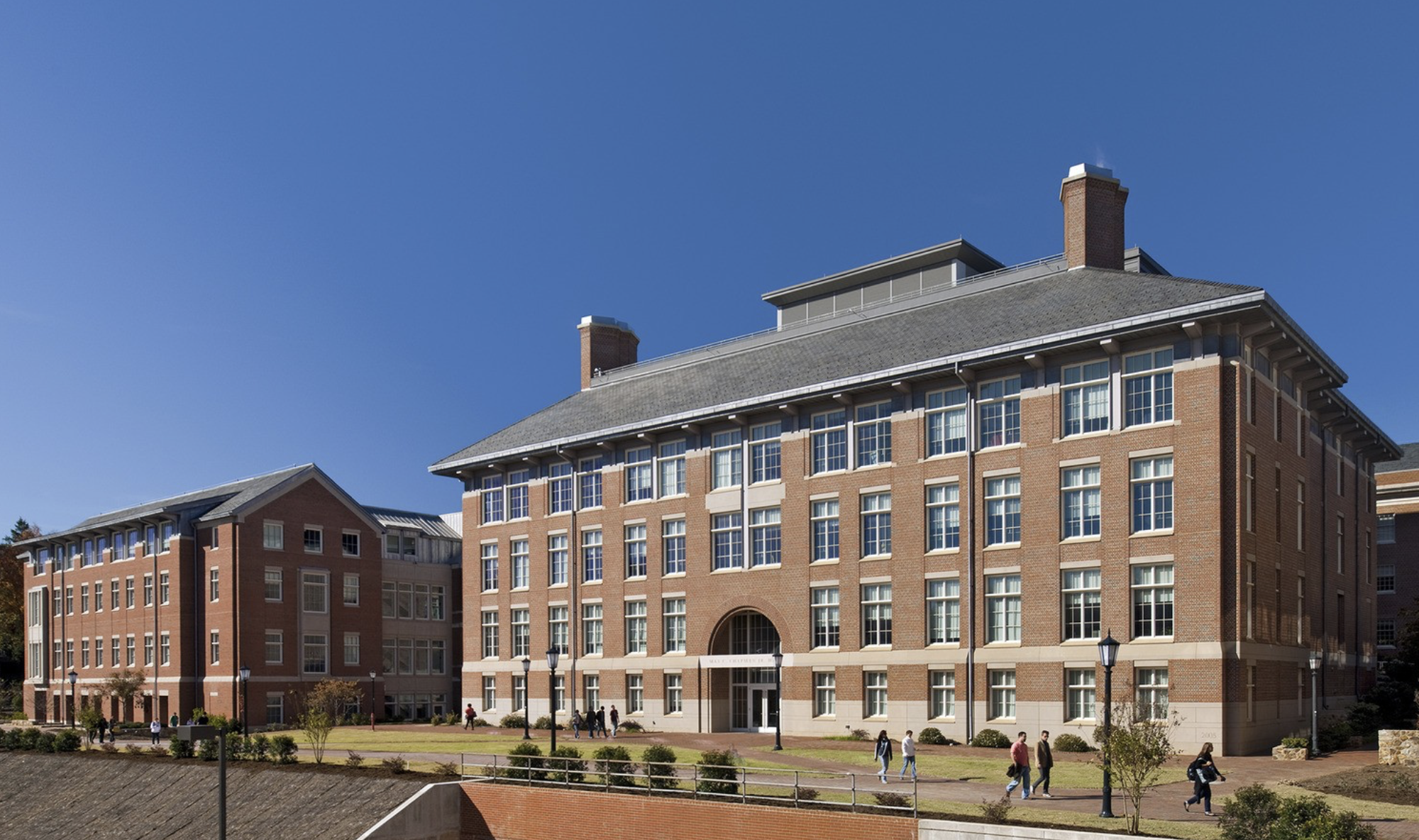
The Max C. Chapman Jr. Hall stands as the centerpiece of the new Physical Sciences Murray Quadrangle on the Chapel Hill campus, serving as a vital hub for interdisciplinary teaching and research. Strategically sited at the head of the gently sloping quadrangle, the building is tied directly to key pedestrian pathways. Its floors register with these routes, ensuring seamless organization of movement and easy access to the classrooms and research labs within, making it a tremendous resource for the Physical Sciences.
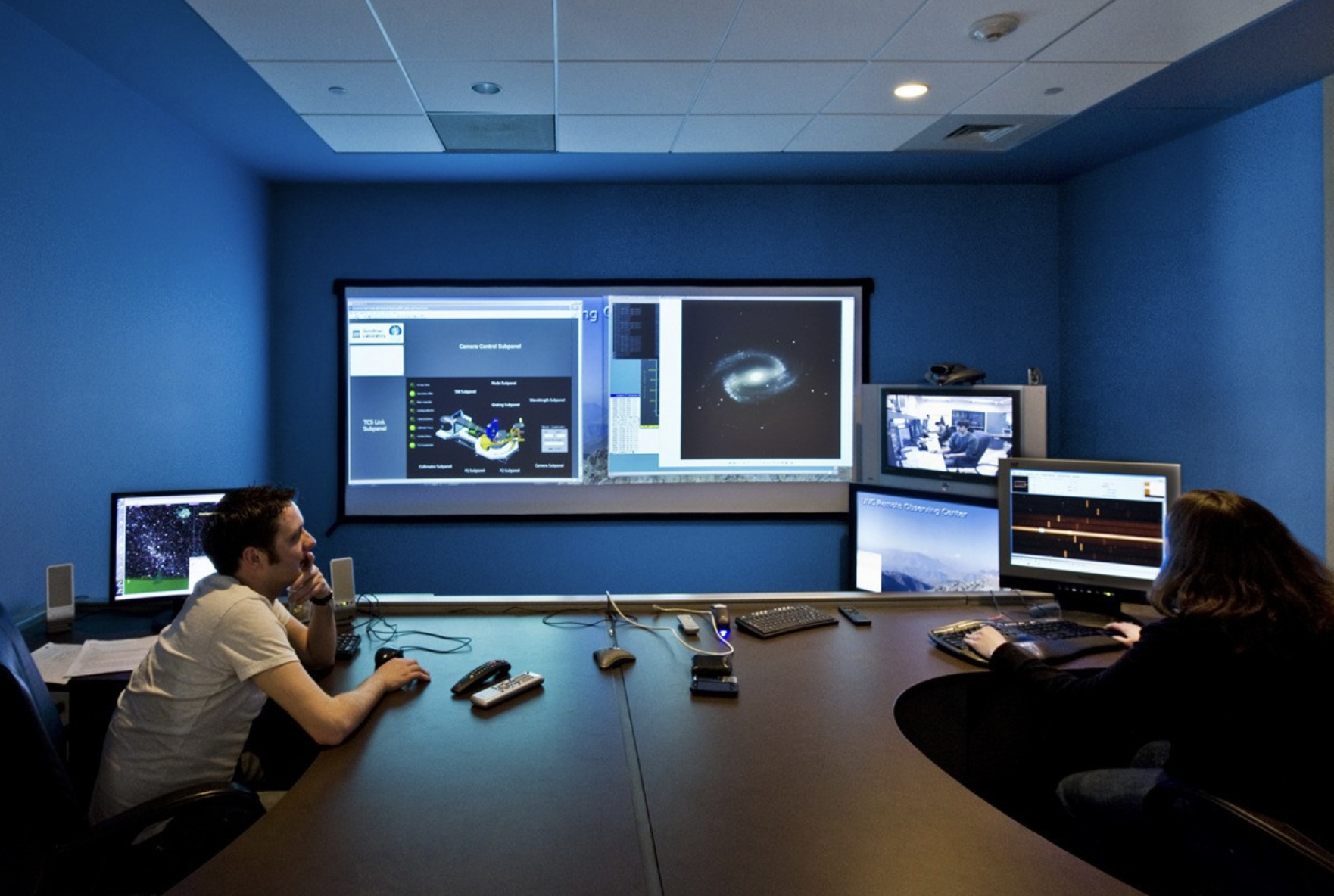
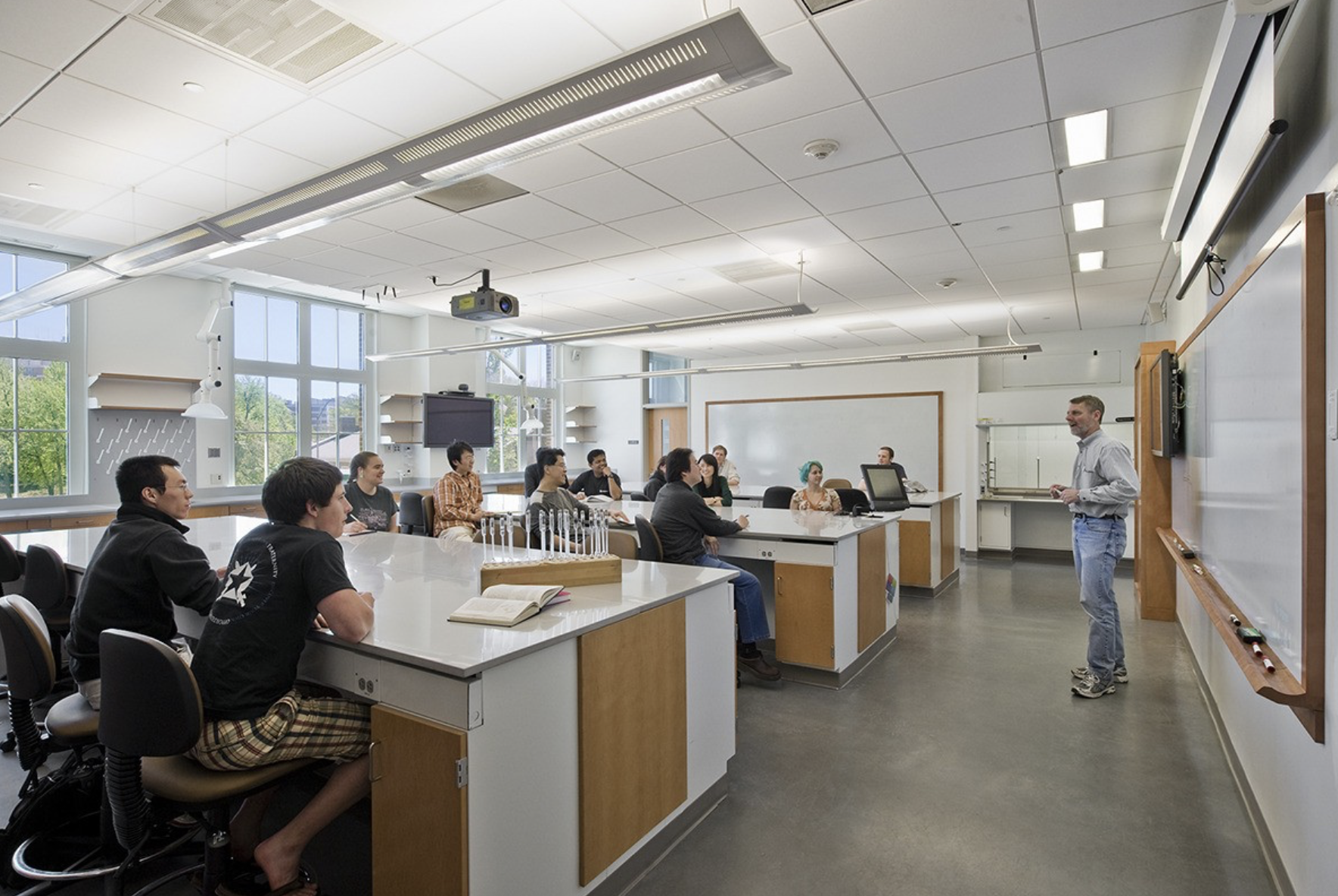
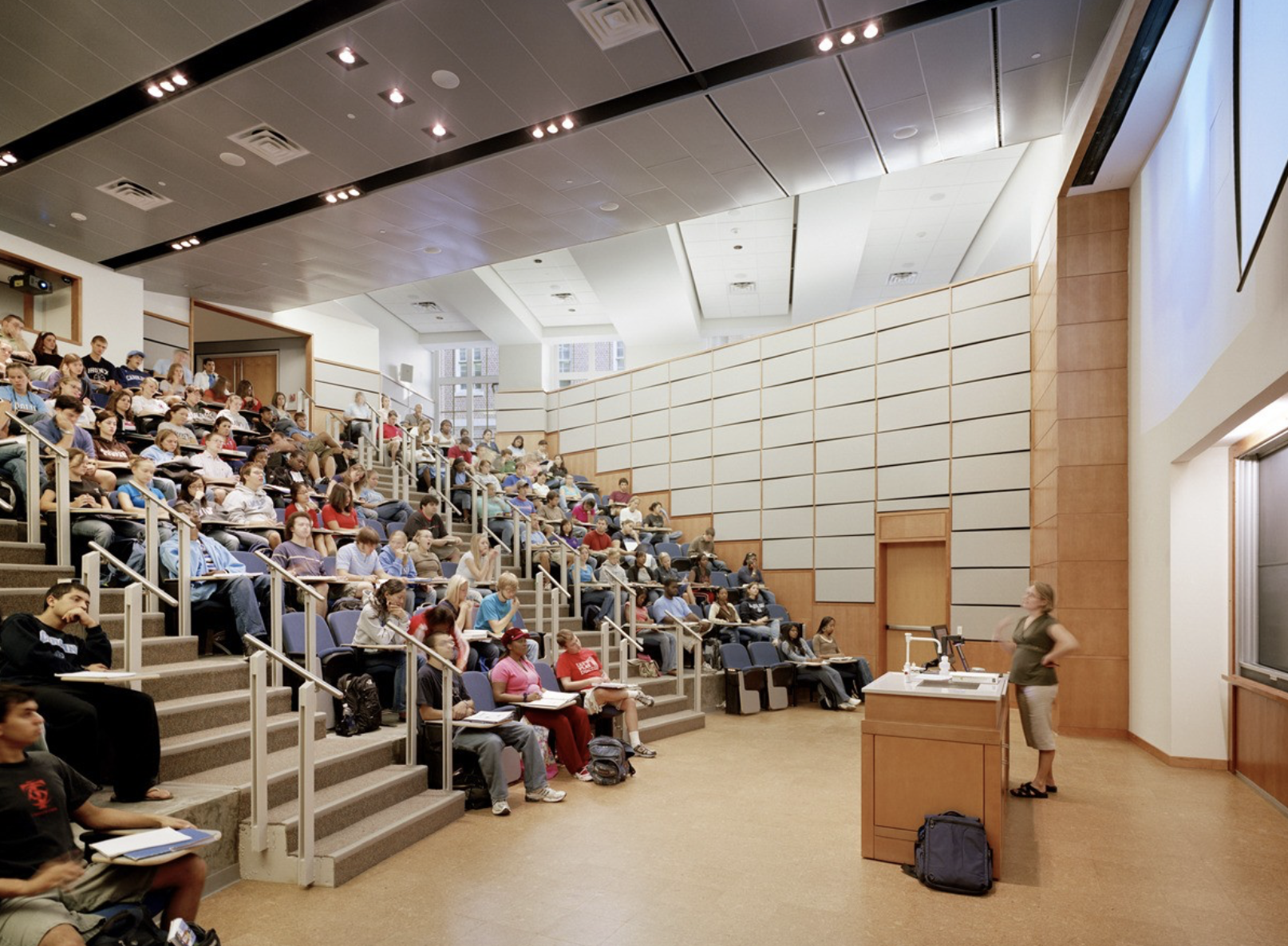
Chapman Hall houses highly specialized programs. Quiet and high-bay laboratories dedicated to Chemistry, Physics, and Math are situated below grade, mitigating external vibrations. At the ground level, three large lecture halls anchor the teaching function. The upper floors accommodate Marine Science and include a striking rooftop Astronomy terrace. Designed for lasting flexibility, the building utilizes a modular 22-by-30-foot shell and-core design, allowing the University to adapt the space easily for future program up-fit.
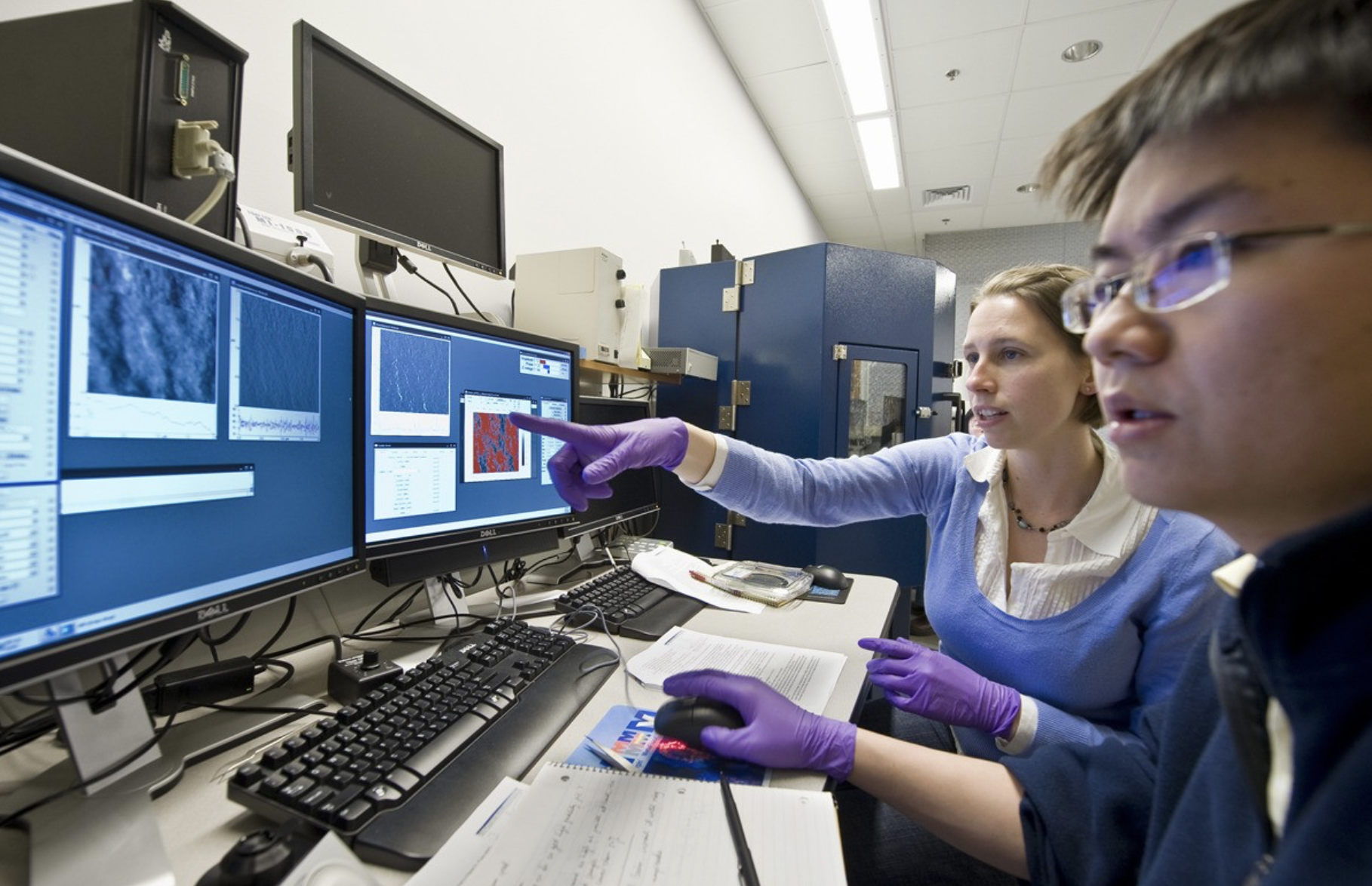
A cornerstone occupant is the Institute for Advanced Materials (IAM). The IAM facilities are spread across multiple levels, featuring nano and high-bay labs on the basement level, laser and dry labs on the ground level, a cleanroom on Level 1, and offices on Level 2. The building’s structural integrity is paramount: it features a thickened concrete structure for stiffness, with vibration-sensitive cryogenics equipment placed in below-grade pits. Furthermore, air handlers are located on the roof to reserve the entire basement as dedicated, high-performance space for sensitive scientific experiments.
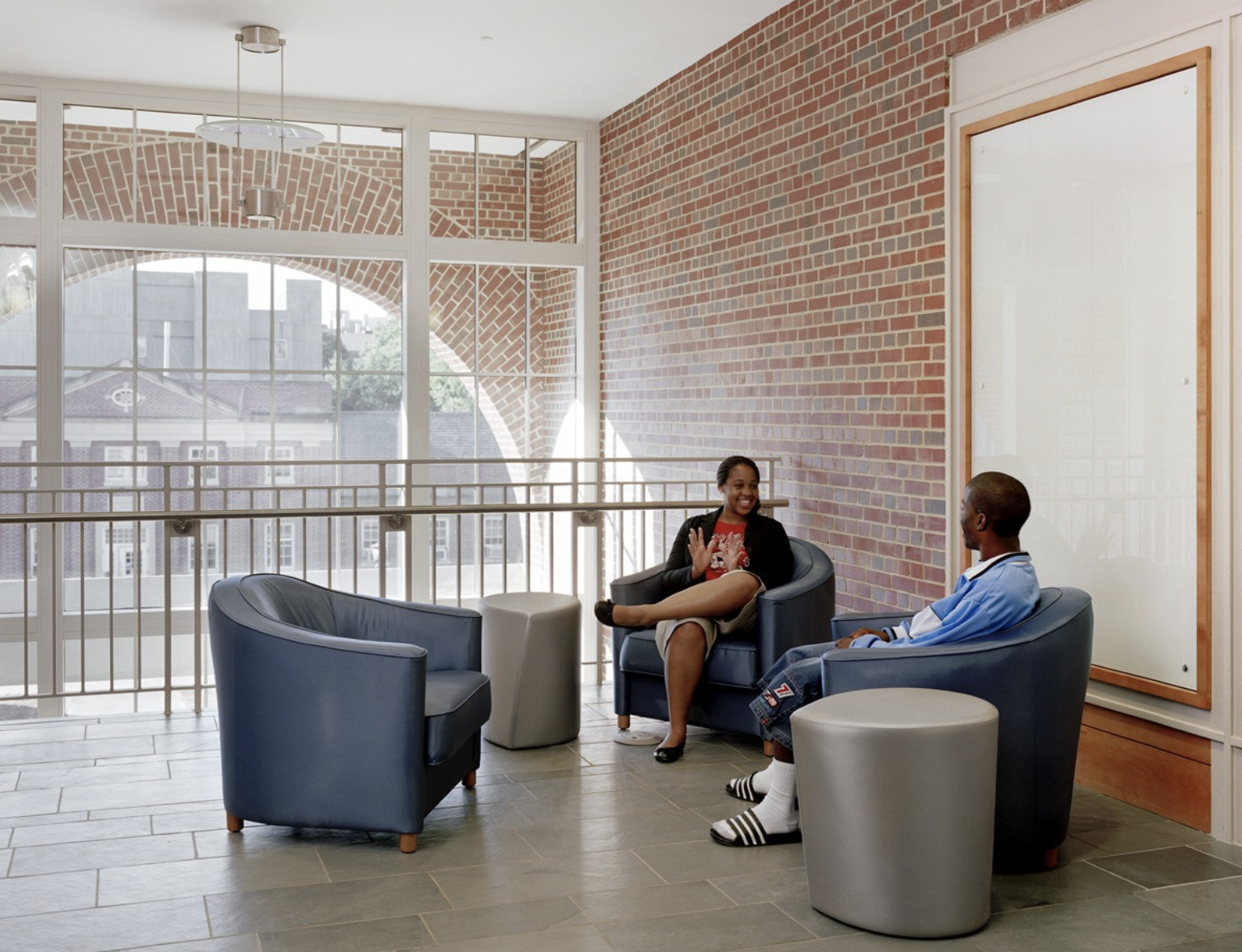
The public spaces are conceived as a nexus for activity, fostering a strong sense of community among occupants. The main entry lobby is a broad, two-story space designed to manage large student flows, acting as an indoor extension of the quadrangle beyond. Here, the design visually connects remote observing (macro scale) on one side with nanotechnology (micro scale) on the other. Throughout Chapman Hall, teaching and research spaces are intentionally commingled, with generous lobbies, break areas, and adjacent meeting spaces to promote informal gatherings and collaboration. Finally, extensive floor-to-ceiling windows draw natural light deep into the labs, offices, and classrooms, creating an environment that is both conducive to learning and visually connected to the campus.
Gallery:


Project Name:
Chapman Hall
Client Name & Location:
University of North Carolina Chapel Hill / Chapel Hill,
North Carolina
Area
128,000 SF
Occupancy Date:
2012
Features:
Physics
Marine Science
Chemistry
Cleanroom
2 large lecture halls
Research and Physics Teaching Lab
Rooftop Astronomy Lab
Double-height wave tank lab
Double-height high performance physics lab
See articles about this project as well as more information on the following links: