Harvard University / Laboratory for Integrated Science and Engineering
Cambridge, Massachusetts
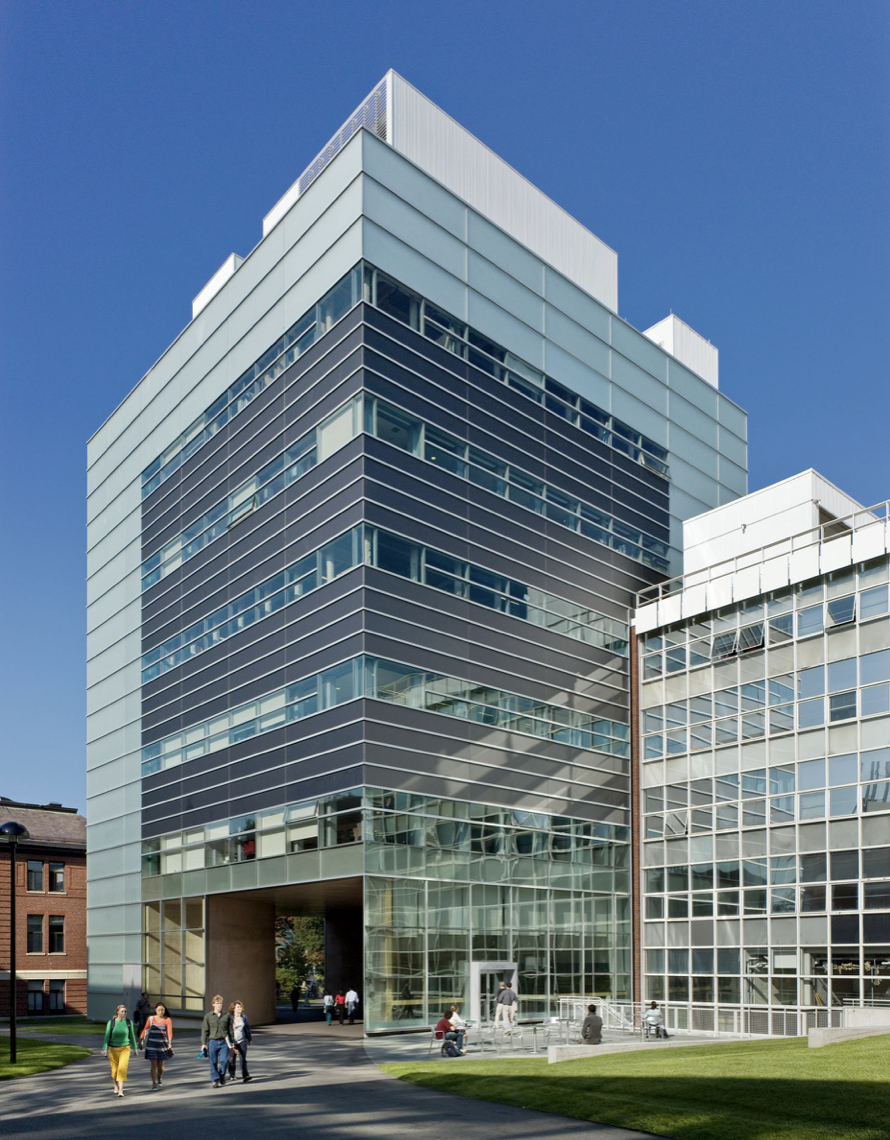
The Laboratory for Integrated Science and Engineering (LISE) building, houses the Center for Nanoscale Systems (CNS) as well as shared faculty positions within the Department of Physics and the School of Engineering and Applied Sciences (SEAS). LISE is architecturally designed to foster transdisciplinary research collaboration across the university campus. It incorporates highly regulated environments suitable for advanced research laboratories, specifically tailored for the fabrication of nanoscale devices, material synthesis, and comprehensive characterization. Harvard’s Center for Nanoscale Systems (CNS), occupies half of the building’s subterranean levels.
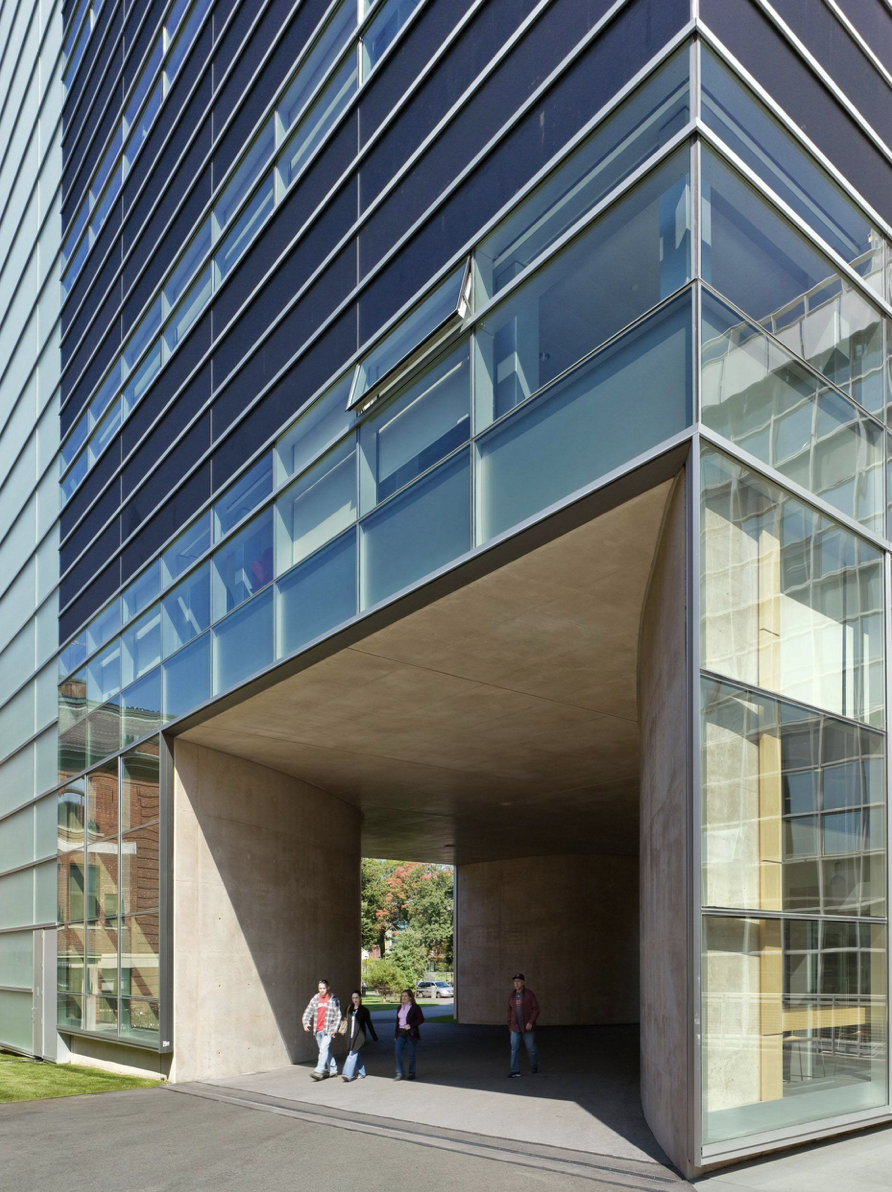
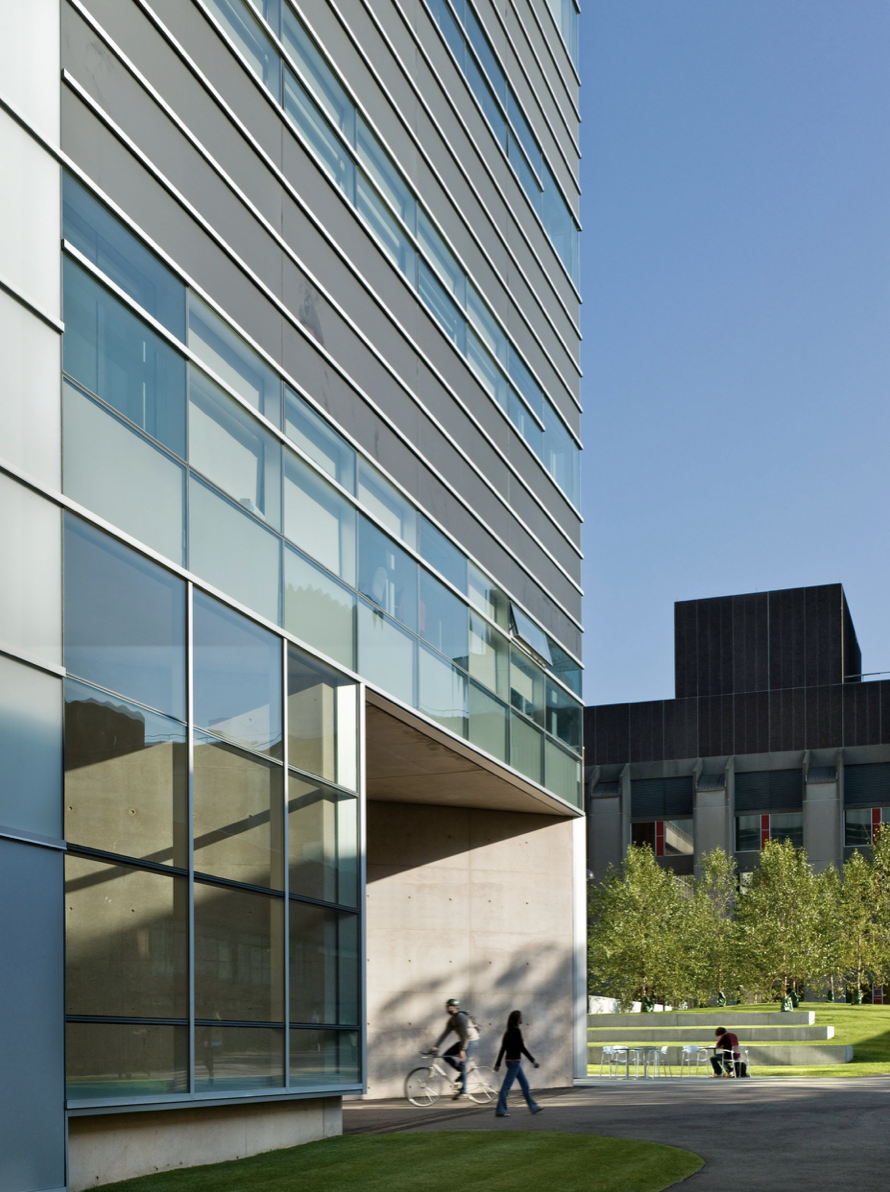
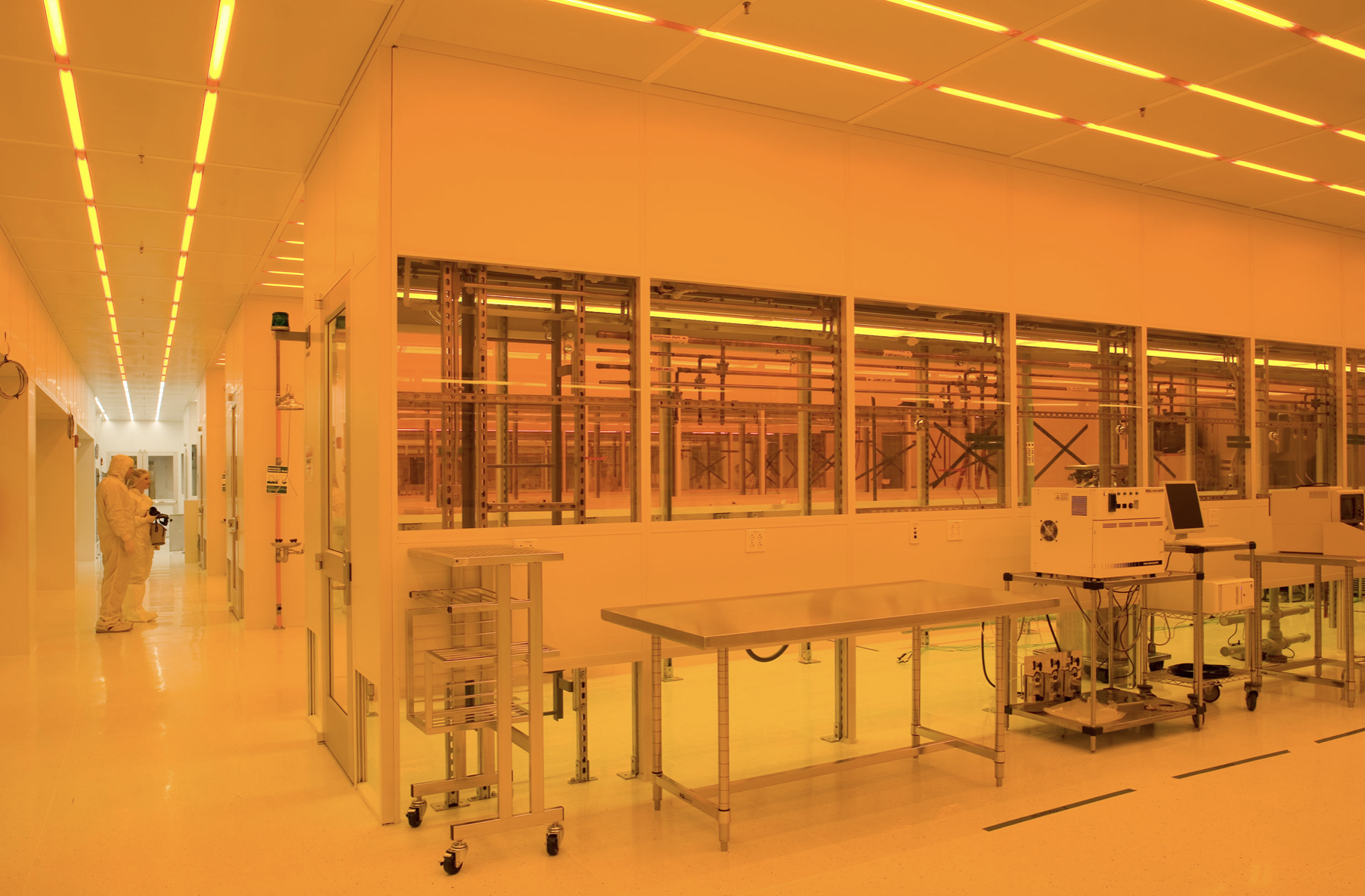
The structure’s understated aesthetic belies the project’s architectural and engineering complexity, encompassing approximately 140,000 square feet of nanoscience research space. This area is distributed across two elements: a substantial, 55-foot deep, three-story subterranean plinth located beneath an open courtyard, and an elegantly proportioned tower featuring an open-air portico delineating the passage of campus pathways below. The 40,000 gross square foot footprint of the below-grade plinth houses a characterization suite, ultra-low vibration laboratories, a 10,000 square foot cleanroom configured in a bay and chase arrangement, high bay laboratories, two suites designated for material synthesis, and a mechanical level accommodating the cleanroom’s recirculating air handling units and High-Efficiency Particulate Air (HEPA) filtration systems.
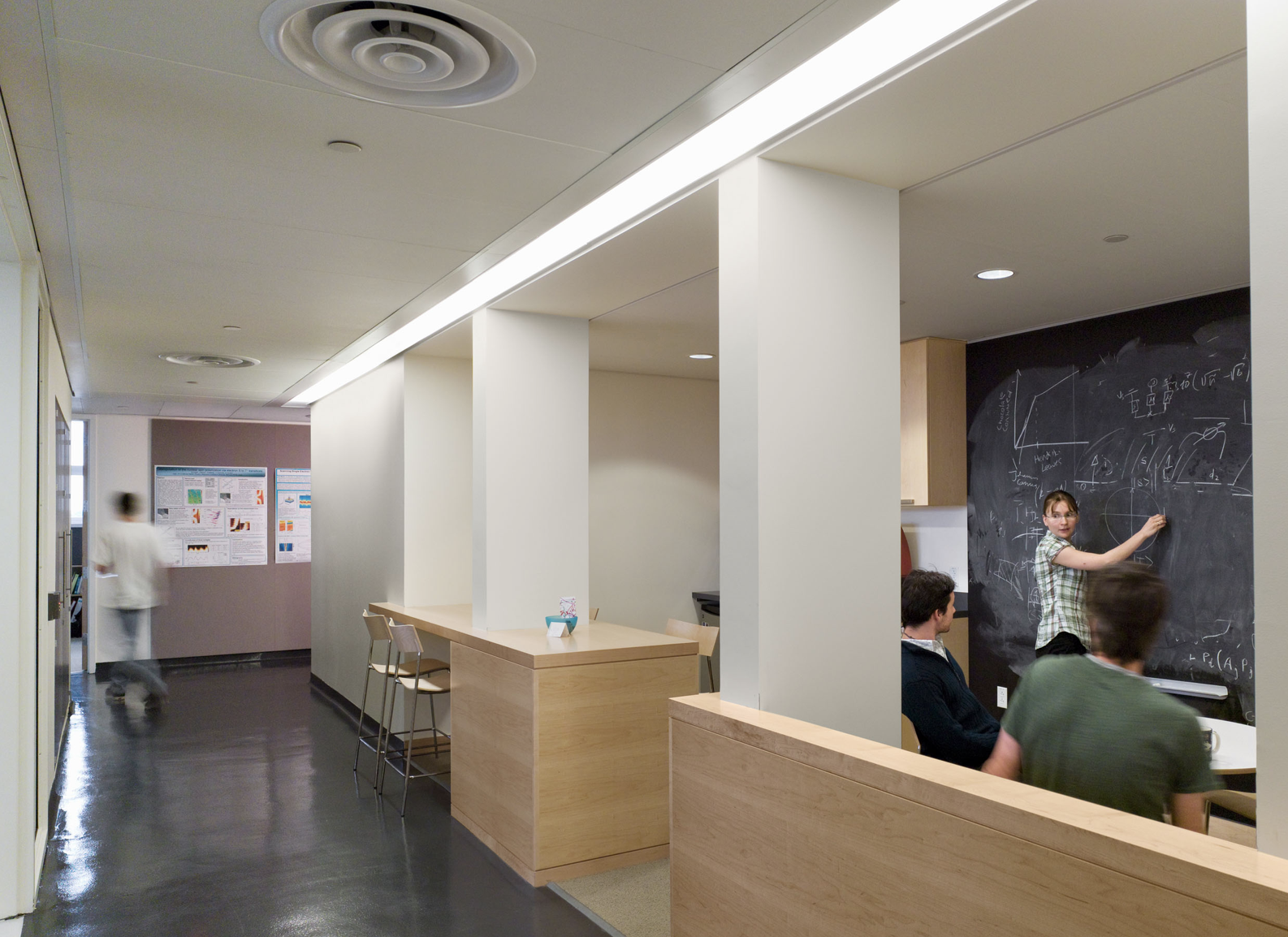
The architectural plan of the LISE building is intentionally designed to promote spontaneous interaction and collaboration among researchers. Additionally, it provides exceptionally low-noise environments crucial for sensitive scientific instruments and experiments. The below-grade plinth includes (26) Individual Research Laboratories (IRLs) offering a diverse array of specialized, high-performance spaces to meet the current needs of faculty and to attract leading researchers globally. These adaptable spaces feature low vibration capabilities, multi-story high bay areas, deep pits, and advanced optics infrastructure, accommodating the development of customized experiments with exacting specifications for temperature and humidity control, vibration isolation, noise abatement, and electromagnetic/radio frequency interference shielding.
Gallery:



Project Name:
LISE Laboratory for Integrated Science and Engineering
Client Name & Location:
Harvard University / Cambridge, Massachusetts
Area
142,000 SF
Occupancy Date:
2007
Features:
Nanoscience and engineering with cleanrooms and imaging Research labs
Conference
Office
Cafe
See articles about this project as well as more information on the following links:
- Harvard – Lab for Integrated Science and Engineering (LISE)
- ‘Out-of-the-Box’ Thinking is Better by Design
- LABORATORY FOR INTEGRATED SCIENCE AND ENGINEERING, HARVARD UNIVERSITY Camdbridge, USA 2000-2008
- Stimson Harvard Laboratory for the Interface of Science + Engineering
- Harvard University – LISE – Center for Nanoscale Systems (CNS) Project
- ArquitecturaViva LISE Laboratory, Harvard University in Cambridge