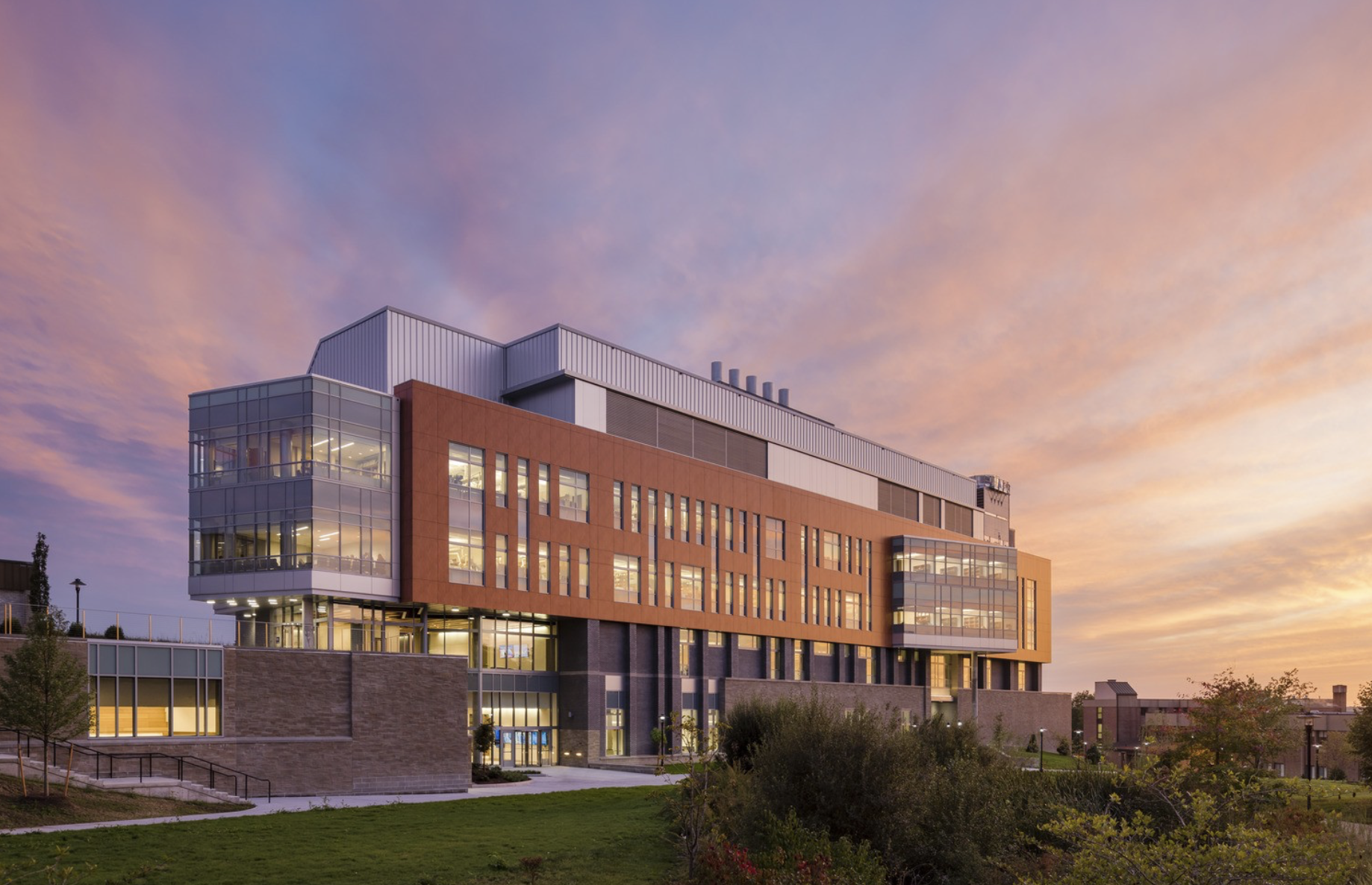
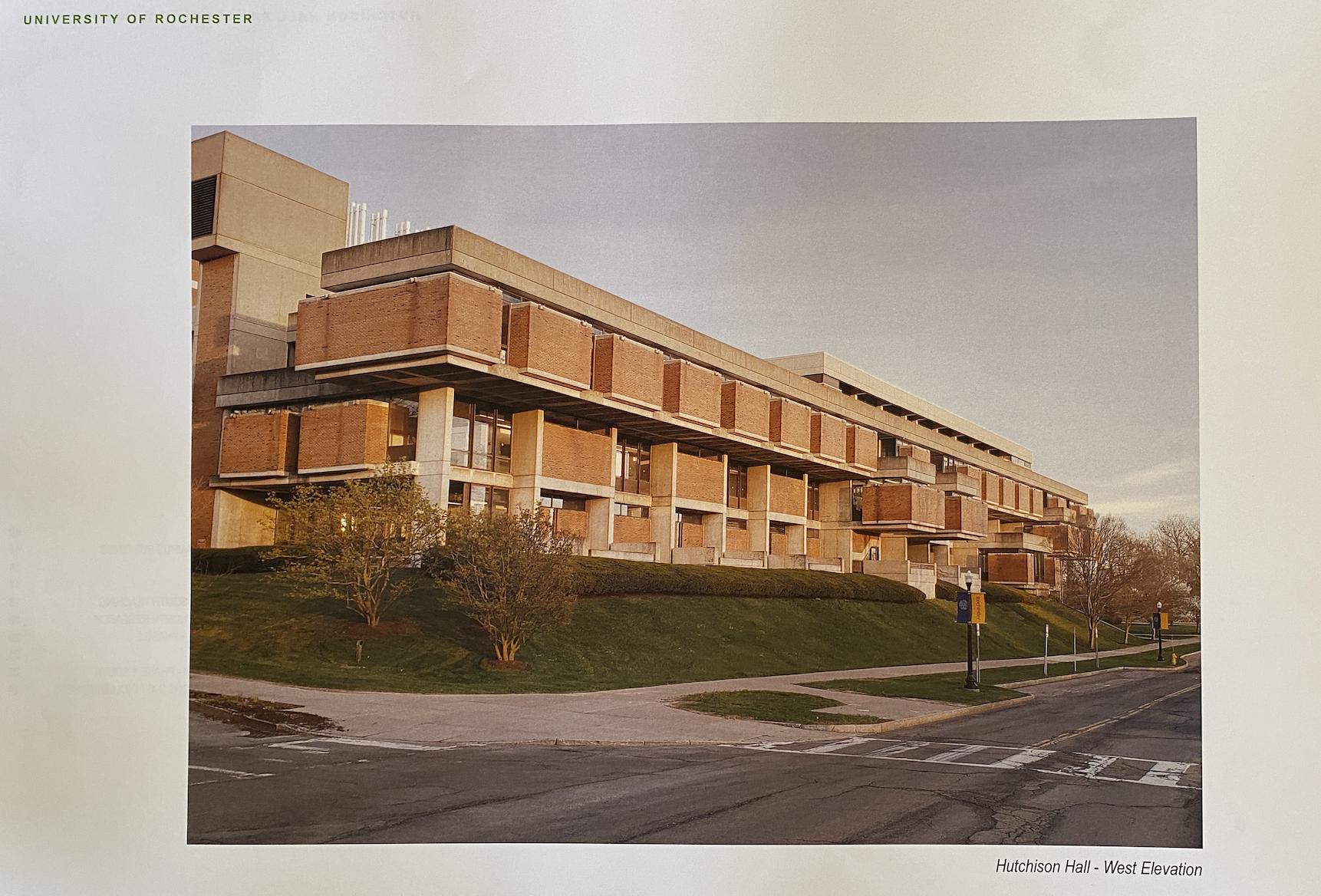
A space program tells the design team how the building will work when first completed, and how it supports future growth and change over time.
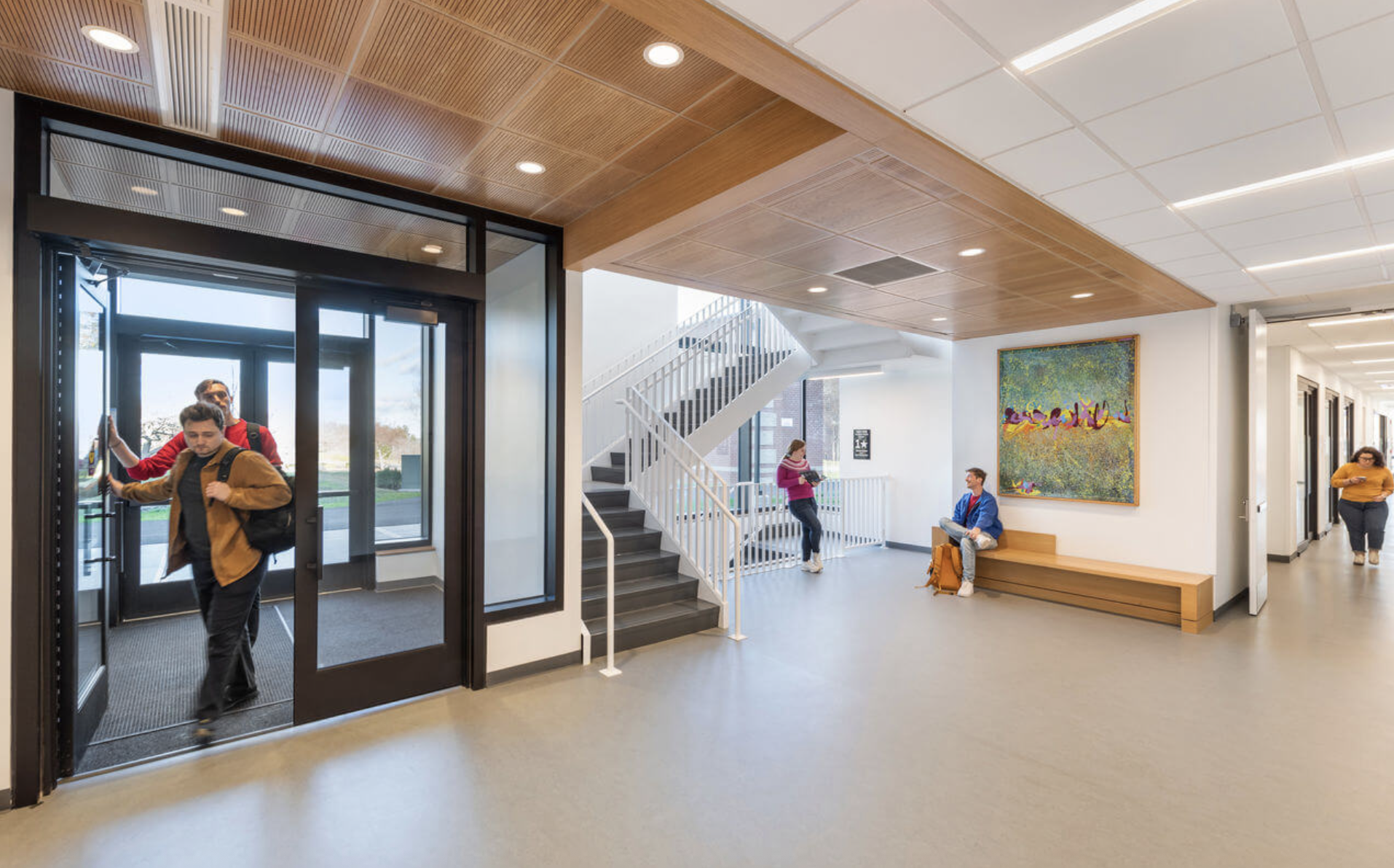
The program is based on three things: people, activities and equipment. People require a variety of space over the course of the day. Activities, such as classrooms and cafes, can have both a formal component and an informal. Equipment and technology change over time and cycle through a building.
The program develops the amount of space, the quality of space and the adjacency of space. It uses blocking and stacking diagrams to visualize how the programs can be arranged in three dimensions.
Lab programs use modular designs and set the structural cadence of the shell and core. A lab program also shows the pattern of horizontal pathways and vertical shafts for engineering services, and sets the floor to ceiling height. Access to these services is key to the long term life of the building. If horizontal pathways and vertical shafts are buried, inaccessible and buried, change is difficult.
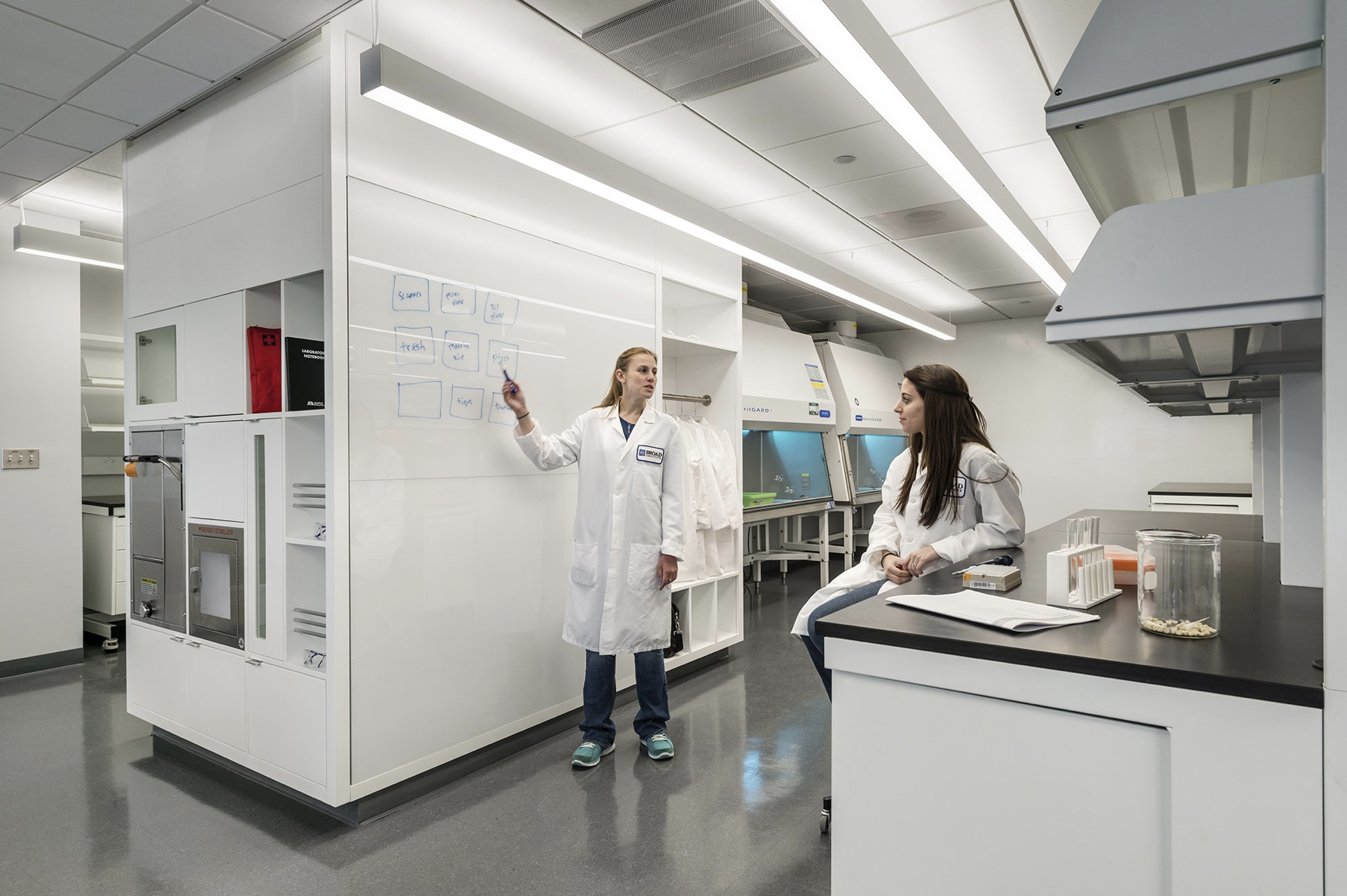
Lab programs have menus for fit-out components that are inserted into the shell and core: fume hoods, overhead services and modular casework. Fit out components like casework and partitions are easily changeable over time, whereas the shell and core components like columns and ceiling heights are not.
Programming and lab design are complex and critical to long term success of science buildings and campuses, and set the pathway for our future in integrated engineering, science, and technology.